Policy Begins with People
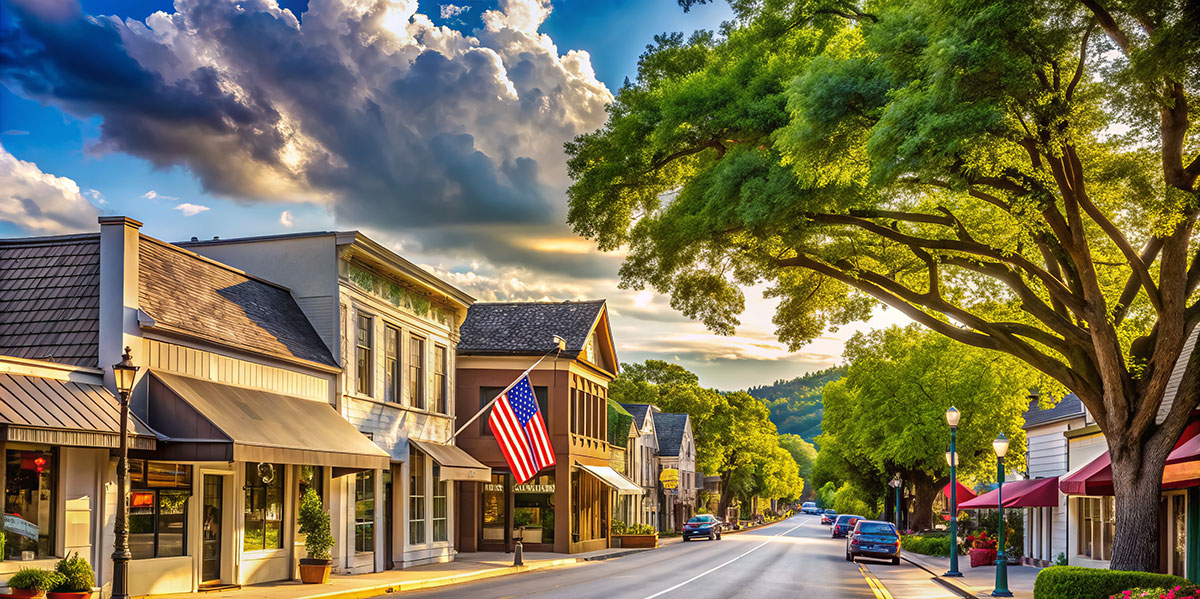
If you’ve spent any time with me on the road across Alabama, you’ve probably heard me say it more than once. The best policies don’t start in Montgomery. They start on Main Street. They begin in small town coffee shops, around family dinner tables, and inside crowded community centers where people talk about real issues like school funding, internet access, job loss, and roads that need repair.
For too long, state-level decision making has felt far away to rural communities. Many folks feel like they are at the mercy of policies they had no hand in shaping. That needs to change. When we empower local voices to influence state policy, we get solutions that are smarter, more practical, and more sustainable.
From Conversation to Legislation
Over the years, I’ve met with thousands of Alabamians in all 67 counties. I’ve heard their concerns and witnessed their passion for the places they call home. These aren’t just passive citizens. They are community builders, small business owners, schoolteachers, and local leaders. They know what their communities need and where the pressure points are.
Policy is most effective when it reflects what people are already doing to solve problems. In one county, I met a group of moms who had organized a mobile reading van to serve kids in areas without libraries. In another, a retired teacher had launched an after-school trades mentorship program. These grassroots efforts should not go unnoticed. They are often the blueprints for larger statewide initiatives.
When we take time to listen and elevate local ideas, we create policies that match real conditions on the ground. That’s how we make government not just bigger, but better.
Local Wisdom Deserves a Statewide Voice
Many of the most innovative ideas I’ve seen did not come from an expert committee or a legislative hearing. They came from everyday people who saw a need and did something about it. I believe our state needs to hear more of these voices because they represent not just complaints but creative, workable solutions.
For example, I once worked with a rural town where lack of transportation was keeping people from getting to work. Instead of waiting for help, they partnered with local churches to create a volunteer driver network. When we shared that model with other counties, it sparked interest in similar programs. That is how a local solution becomes part of a broader policy conversation.
Montgomery should not be a place where voices go unheard. It should be a place where the best local ideas are lifted up and made stronger through good legislation and wise leadership.
Conservative Values in Action
As a conservative, I believe the best government is the one that supports people without smothering them. That starts with trusting local communities to know what’s best for their own futures. That means giving counties and cities the flexibility to tailor programs to their needs, rather than pushing one-size-fits-all rules that do more harm than good.
In practical terms, this looks like pushing for grant programs that allow local control. It looks like cutting red tape that slows down rural development. And it means listening to leaders who are closest to the work instead of assuming Montgomery always knows better.
Local decision making is not just a slogan. It’s a principle that has proven itself over and over again when it comes to economic growth, education, healthcare access, and infrastructure planning.
Stories Change Systems
One of the most effective ways local voices shape policy is through storytelling. Data matters, but stories create connection and urgency. When a farmer tells a legislator how outdated zoning laws are blocking his business from expanding, it is harder to ignore. When a teacher describes how students share a single device at home due to lack of broadband, it highlights the real stakes behind the numbers.
I encourage people in every community to speak up, not just during campaigns but throughout the year. Attend a hearing. Submit written testimony. Host town halls. Share stories with your state representative or senator. You do not need a title to be heard. You just need the courage to speak.
And for those of us working in policy, our job is to take those stories and make sure they inform the bills we support, the budgets we build, and the programs we launch.
Bridging the Gap
It’s not enough to say we want local voices at the table. We need to build real bridges between communities and the Capitol. That starts with stronger communication, more transparency, and regular collaboration between local and state leaders.
I’ve seen what happens when county commissioners, mayors, superintendents, and faith leaders are brought into the policy process early. They shape smarter proposals and help implement programs more effectively. The end result is not only better policy but better trust in government.
We can’t afford to keep policymaking behind closed doors. The best ideas often come from people who never step foot in the Capitol. Our job is to open those doors and keep them open.
Policy That Reflects the People
When policy is shaped by people who live in the communities affected by it, everyone benefits. We get laws that are more grounded, more flexible, and more fair. We build trust between Main Street and Montgomery. And we show that government still works when it is done the right way, with listening ears and servant hearts.
I believe in Alabama’s potential because I believe in the people who call it home. From rural crossroads to growing suburbs to historic downtowns, every community has wisdom worth sharing and voices worth hearing.
Let’s keep those conversations going and turn local insight into lasting impact. That is how Main Street shapes Montgomery, and that is how we build a state that serves all of us.